

Twenty years ago …
In 2005, the Western Australian Government’s Department of Training and Workforce Development published a document titled, ‘New streamlined RPL assessment processes.’ This was preparing for the 2006 implementation of the TAFE WA Trade Skills Recognition Project. This project promoted an RPL process that focused on task‑based assessment, rather than a paper-based portfolio assessment.
This document was re-published many times:
- 2nd edition 2008
- 3rd edition 2009
- 4th edition 2012
- 5th edition 2013.
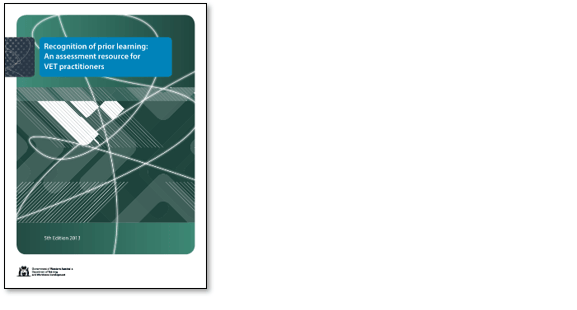
The 5th edition of the document can be downloaded from the voced.edu.au website.
The following is a summary of some key points from the document:
Traditionally, RPL required students to independently gather paper evidence and map portfolios against competency units. RTOs have recognised that this approach was overly isolating, highly demanding, and often required literacy or analytical skills exceeding the qualification’s actual level, disadvantaging mature-aged learners, re-entrants, and migrants needing confidence-building support.
Modern streamlined RPL processes reduce reliance on paper portfolios, replacing them with flexible, interactive assessment methods similar to standard training programs. These include structured interviews and direct observations in workplace or simulated environments. Crucially, RTO should offer personalised, ongoing support, advice, and feedback, transforming RPL into a user-friendly assessment pathway that adheres to regulatory standards while properly guiding students through the process.
Twenty years later …
Monday’s edition of TDA’s newsletter provided information about a free event to be held on the 14th of October 2026. The event titled, ‘Reimagining Skills Recognition: a national RPL forum’, had the following description:
For decades, RPL has asked candidates to map what they know against training package requirements. RPL is paperwork-heavy and too often undersells expertise. This one-day forum opens a national conversation about a different approach: putting a candidate’s actual skills, experience, and currency at the centre of the assessment judgement, while staying firmly within existing regulatory settings.
The day will be led by the Canberra Institute of Technology (CIT) and is the launch event for National TAFE Network’s Reimagining Skills Recognition project, which is a national partnership between CIT, TAFE Queensland, TAFE SA, UC, UNSW, ASQA and the AMWU.
The national RPL forum will be facilitated by the Canberra Innovation Network and brings together TAFE educators and executives from across the country, university academics, industry, government, and people with lived experience of RPL. What happens in the room will feed directly into a shared national practice framework and toolkit.
The description for this event reads like it had been written 20 years ago.
Has nothing changed since 2006?
Have all the effort and cost over the past 20 years to improve RPL been a waste of time and money?
What really are the barriers that have stopped RTOs from implementing an RPL process that is focused on task‑based assessment?


